

How to Lose Weight Fast Losing weight fast is one of the most searched health topics online—and also one of the most misunderstood. Many people expect extreme results in a short time, but most “quick fixes” fail or cause rebound weight gain. If you want to lose weight fast and keep it off, you need to understand what actually works, what is dangerous, and what is simply marketing nonsense.This article explains how to lose weight fast in a realistic, science-based way.

What “Fast” Weight Loss Really Means
Let’s be clear: safe fast weight loss is not dramatic. Losing 0.5–1 kg (1–2 lbs) per week is considered fast but sustainable. Anything more usually involves water loss, muscle loss, or unhealthy restriction.Crash diets may show quick results on the scale, but most of that weight comes back. If your goal is real fat loss—not temporary dehydration—there are limits you cannot cheat.
1. Control Calories Aggressively (But Not Stupidly)
Weight loss always comes down to a calorie deficit. To lose weight fast, you must reduce calorie intake consistently.
What works:
Cut sugary drinks completely
Remove ultra-processed foods
Eat high-protein meals (eggs, chicken, fish, legumes)
Reduce portion sizes, not meals
What doesn’t:
Starving yourself
Eating once every two days
Cutting calories so low you can’t function
Extreme calorie cuts slow your metabolism and increase binge eating later.
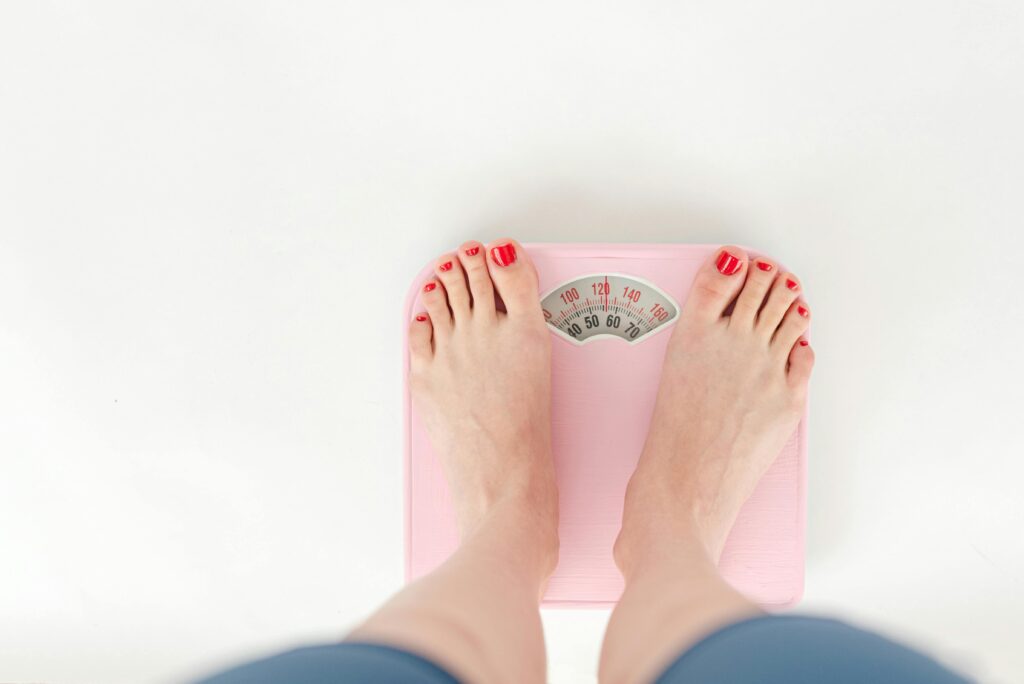
2. Prioritize Protein and FiberIf
you want to lose weight fast, protein is non-negotiable. It reduces hunger, preserves muscle, and increases calorie burning.
Good protein sources:
Eggs
Lean meat
Fish
Greek yogurt
Beans and lentils
Fiber from vegetables and whole foods helps you stay full longer. Without protein and fiber, fast weight loss becomes impossible.
3. Increase Physical Activity (No, Exercise Alone Is Not Enough)
Exercise helps, but it does not replace diet. You cannot out-train bad eating.
Best options for fast results:
Daily walking (8,000–12,000 steps)
Strength training 3–4 times per week
Short HIIT sessions (if you’re healthy)
Cardio burns calories, but strength training prevents muscle loss—which is critical during fast weight loss.
4. Sleep and Stress Matter More Than You Think
Poor sleep increases hunger hormones and cravings. High stress raises cortisol, which encourages fat storage—especially belly fat.
If you sleep less than 6 hours per night, your weight loss will be slower no matter how perfect your diet is.This is not optional. It’s biology.
5. Avoid These “Fast Weight Loss” Traps
Be honest—most people fail because they fall for these:
Detox teas
Fat-burner supplements
Extreme fasting without guidance
One-food diets
These methods either don’t work or cause short-term loss followed by rapid regain.Final Verdict: Is Losing Weight Fast Worth It?Yes—but only if done strategically. Fast weight loss requires discipline, planning, and realism.

How To Keep Your Fast-Track Weight Loss From Being Regained
The first half of the battle is fast weight loss; the second half is preventing a return to previous unhealthy behaviours after your diet ends.
Most people gain back lost weight because they revert to their old eating habits too quickly, if you do not have a clear plan for the maintenance phase, your success with a fad diet will be short-lived.How can you avoid this trap?
1. Slow Down Your Transition to Normal Eating Habits:
Once you reach your short-term goal, increase your calorie intake gradually over 3 to 8 weeks (100-200 a day). Going straight from a very low calorie diet to normal calories, gives your body the message to store fat. Instead, the following will allow more stabilisation of your metabolism, without rebounding:Increase your calories gradually (100-200 a week)Keep up your levels of protein consumptionContinue your normal exercise program
2. Live By Simple Rules, Not Insane Diets:
Fast weight loss occurs with repeatable behaviours (rules) rather than complicated diet regimens.For example:No calories from liquids/juicesEvery meal has protein as the primary source of caloriesEat generally high amounts of vegetables dailyNo eating after a specific time each eveningYou will be much more likely to keep the weight off if you have simple rules that are easy to follow – rather than complicated meal plans to follow.
3. Track Your Progress (Beyond the Scale):
Many people use the scale alone to judge their progress; however a scale can lie—especially with fast weight loss. To truly evaluate whether you have sustained your weight loss or not, track the following:Measuring your waistHow much energy you haveYour Strength and Endurance
How your clothes fitIf you do not lose weight on the scale, but your measurements are improving, you are still losing FAT.