

Infectious Disease Control: Practical Strategies That Protect Public Health
Introduction
Infectious diseases remain one of the most persistent threats to global health. From tuberculosis and cholera to COVID-19 and emerging viral outbreaks, infectious agents continue to test the strength of health systems worldwide. Infectious disease control is not just the responsibility of hospitals or governments—it is a coordinated effort involving healthcare professionals, policymakers, and communities. When control measures fail, the consequences are immediate: rising morbidity, preventable deaths, and economic disruption. This article explains what infectious disease control really involves, what works in practice, and where most systems fail.
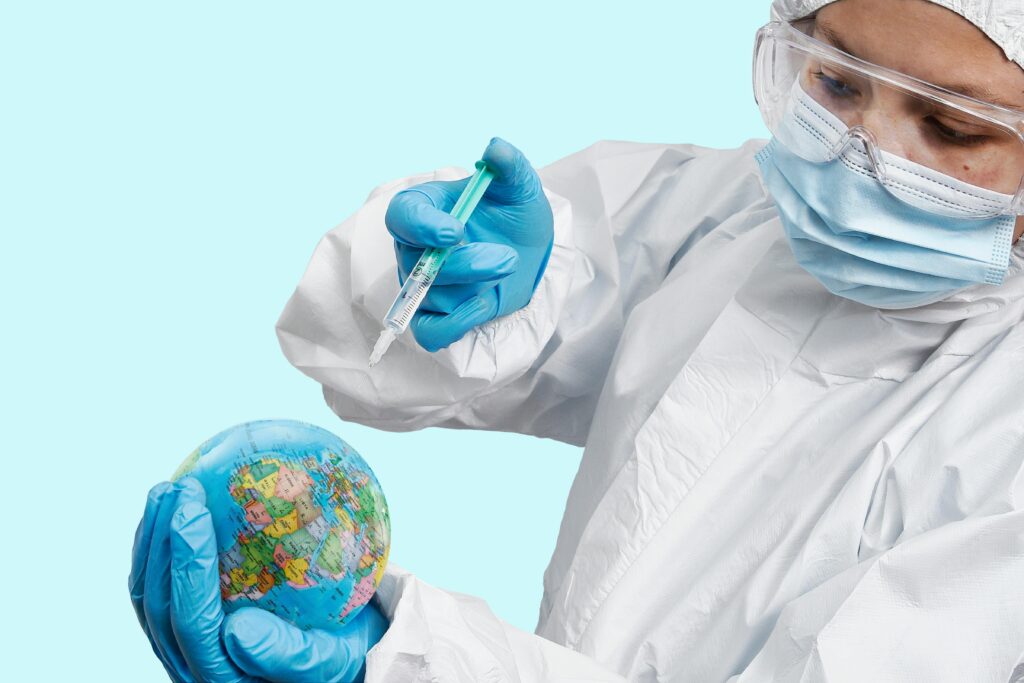
What Is Infectious Disease Control?
Infectious disease control refers to the policies, practices, and interventions used to prevent, detect, and respond to diseases caused by bacteria, viruses, parasites, and fungi. The goal is simple but demanding: interrupt transmission while minimizing harm to society.
Core pillars include:
Prevention (vaccination, sanitation, education)
Early detection (surveillance and testing)
Response (treatment, isolation, contact tracing)
Long-term system strengthening
Weakness in any one pillar undermines the rest.
Key Strategies for Effective Disease Control
- Prevention Through Vaccination and Hygiene
Vaccination remains the most cost-effective disease control tool ever developed. Measles, polio, and tetanus declines are proof—not theory. Where vaccination coverage drops, outbreaks return. There is no neutral ground here.
Basic hygiene measures—handwashing, clean water, proper waste disposal—still prevent more infections globally than advanced medical technology. In low-resource settings, improving sanitation can reduce diarrheal diseases by over 30%. Ignoring this is not a funding issue; it’s a priority failure.
Practical example:
Cholera control programs in East Africa that combined clean water access with community hygiene education reduced outbreaks faster than medication alone.
- Surveillance and Early Detection
You cannot control what you do not detect. Disease surveillance systems track cases, identify patterns, and provide early warnings. Delayed reporting equals delayed response—and delayed response costs lives.
Experts in epidemiology consistently emphasize that outbreaks grow exponentially in the absence of early detection. COVID-19 exposed how fragile many surveillance systems were, even in high-income countries.
Case insight:
Countries with strong primary healthcare reporting systems detected COVID-19 community transmission earlier and implemented targeted controls, avoiding nationwide shutdowns.
- Infection Prevention and Control (IPC) in Healthcare Settings
Hospitals should stop infections, not spread them. Yet healthcare-associated infections remain a serious problem.
Effective IPC includes:
Proper use of personal protective equipment (PPE)
Sterilization and environmental cleaning
Isolation protocols for infectious patients
Continuous staff training
According to public health experts, poor IPC is often due to behavioral and training gaps, not lack of equipment.
- Community Engagement and Risk Communication
Top-down policies fail when communities do not trust them. Disease control depends heavily on public cooperation—especially during outbreaks.
Clear, honest communication works better than fear-based messaging. Communities need to understand:
How diseases spread
What actions actually reduce risk
Why certain measures are necessary
Real-world lesson:

During Ebola outbreaks, control improved only after local leaders were involved in education and response efforts. Medical expertise without cultural context failed.
- Antimicrobial Resistance (AMR): The Silent Crisis
Poor infectious disease control fuels antimicrobial resistance. Overuse and misuse of antibiotics make common infections harder—and sometimes impossible—to treat.
Health experts warn that AMR could reverse decades of medical progress. Effective control requires:
Rational prescribing
Strong regulation
Public awareness
This is not a future problem. It is already happening.
Common Failures in Disease Control
Let’s be direct—most failures come from:
Weak health systems
Poor coordination between agencies
Delayed political decisions
Ignoring data and expert advice
Underfunding prevention while overspending on crisis response
Emergency response without prevention is expensive and ineffective.
Conclusion
Infectious disease control is not about panic-driven reactions. It is about preparation, systems, and trust. Vaccination, surveillance, infection control, and community engagement are proven tools—but only when applied consistently. Health systems that invest in prevention save lives and money. Those that don’t pay the price repeatedly.