

Understanding Cholesterol:
Cholesterol is a fat-like compound that can be found naturally inside the human body. Although cholesterol has earned quite the negative reputation, it serves a vital purpose by providing cell structure, producing several hormones, and providing Vitamin D. There are problems when cholesterol becomes either too elevated or unbalanced within individuals.
Therefore, in this article, you will clearly learn about cholesterol as well as what types of cholesterols exist and causes of elevated cholesterol levels, as well as how to manage cholesterol and protect your heart health.
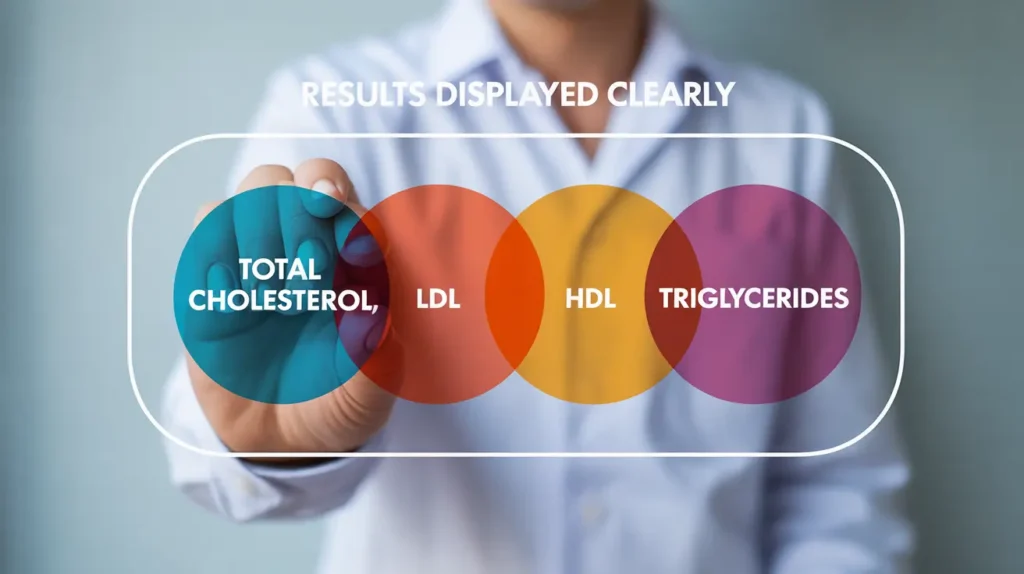
Understanding Cholesterol
Cholesterol is one of several fatty compounds transported through the blood. Cholesterol is created by the liver and derived from dietary sources (such as meat, dairy, and eggs).
Lipoproteins are the particles that carry cholesterol within the bloodstream. Cholesterol cannot travel through blood by itself.
Understanding the Types of Cholesterol
There are two types of cholesterol; but before we understand cholesterol, we must first understand the types of cholesterol:
1) Low-Density Lipoproteins (LDL “bad” cholesterol)
LDL cholesterol is considered “bad” cholesterol because:
• It can create plaque in an artery wall causing it to thicken.
• It can create narrowing within blood vessels.
• It puts individuals at risk for heart attack and stroke.
Therefore, abnormally high levels of LDL cholesterol are the greatest concern when managing cholesterol levels within individuals.
2. The HDL (high-density lipoprotein) is nicknamed the “good” cholesterol because:
– It removes extra cholesterol from your blood and takes it back to your liver, where you get rid of it.
– It protects your blood vessels.
– Generally, higher levels of HDL are viewed as better.
3. Triglycerides
Triglycerides are not cholesterol, but they are another type of fat found in your blood and having possibly high levels can increase risk to develop heart disease.

What Are Some Causes of High Cholesterol?
There are several risk factors that can contribute to an increase in cholesterol levels and may include:
– Eating a poor diet;
– Consuming lots of saturated fat;
– Consuming processed meats;
– Eating fried foods;
– Eating large amounts of butter and margarine;
– Doing no or little physical activity;
– Being overweight and/or obese.
Genetics
Some individuals may have hereditary high cholesterol regardless of their respective healthy lifestyles.
Tobacco Use
Tobacco usage reduces high-density lipoprotein (HDL) levels while damaging blood vessels.
Signs Nobody Notices Until They Get Checked for High Cholesterol
The majority of cases of high cholesterol present no outward appearance, making the condition one of the most severe as far as danger is concerned. Many people do not know they have high cholesterol until they undergo a blood test.
There can be extremely serious consequences/implications for those with severe long histories of high cholesterol, which may include:
Despresssion CHest Pain
Myocardial Infarction
Cerebrovascular Accident
The only method of reliably determining the presence of high cholesterol is through testing.
Recommended Cholesterol Levels
For the average adult, the following are acceptable cholesterol levels:
Total Cholesterol: 200 mg/dL or Lower
Low-Density Lipoprotein (LDL): 100 mg/dL or Lower
High-Density Lipoprotein (HDL): Men Must Maintain at Least 40 mg/dL/ Women Must Maintain at Least 50 mg/dL.
Triglycerides: 150 mg/dL or Lower
Your doctor may determine alternate cholesterol level target(s) based upon your overall personal risk profile.

How To Reduce Cholesterol Levels
1. Follow a Healthy Diet
Eat:
Fruits & Vegetables
Beans & Nuts
Fatty Fish (with Omega-3)
Whole Grains
Avoid:
Fried Foods
Fatty Meats
Full Fat Dairy Products
Highly Processed Foods
2. Exercise Regularly
Goal:
At least 30 minutes a day
5 days a week
Exercise can raise HDL cholesterol and lower LDL cholesterol.
3. Lose Extra Weight
Even 5 to 10 percent of body weight lost can have a dramatic effect on cholesterol levels.
4. Quit Smoking
Quitting smoking can raise HDL cholesterol, improve blood vessels’ health and lower the risk of heart disease.
5. Take Prescribed Medications
In the case that lifestyle changes do not help, a doctor may prescribe medications such as statins. Never stop taking medication without first asking your doctor.
When Should You Check Your Cholesterol Levels?
Heart disease risk related to cholesterol levels will occur before age 40 for people who have a history of high cholesterol.
As a guideline, check your cholesterol levels:
For Adults: at least every 4-6 years.
For high-risk individuals: more frequently.
For individuals with a family history of high cholesterol: more often.
Getting checked for high cholesterol early can prevent serious consequences.

Summary
Understanding cholesterol is important for maintaining heart health. Your body needs cholesterol; however, if cholesterol (especially low-density lipoprotein [LDL] cholesterol) is high, it increases the silent threat of heart disease.
To prevent heart disease from excessive cholesterol levels, do the following:
Know your numbers (cholesterol levels).
Make dietary changes and be active.
Seek assistance from your doctor if needed.
By effectively managing your cholesterol levels you can greatly reduce your risk of having a heart attack or stroke.