
Choosing The Best Soap For Eczema – Why It Matters & What To Look For
Living with eczema (also called atopic dermatitis), can make finding products that provide soothing relief as opposed to irritation extremely frustrating. The most common culprit causing flare-ups and other reactions is soap — an item that we use every day, but that may worsen your skin condition by either decreasing or removing moisture from your body, thereby increasing inflammation or triggering flare-ups.
Choosing the right soap is not just about looking for “natural” labels or attractive packaging; instead, it has much more to do with the actual ingredients used, how they react chemically after the product is applied on/in your skin and the pH factor (or acid-base ratio) of both a product and your body. Each of these items plays a huge role in deciding what is the best choice for you.
What You Should Look For When Selecting a Soap That is Safe for People With Eczema.
When searching for a soap for eczema here are four things to focus on:
1. Use of Milder Soaps That Contain Surfactants
Examples of mild surfactant cleansers are below:
Cocamidopropyl Betaine
Sodium Cocoyl Isethionate
Decyl Glucoside
These milder surfactants will not remove as much of the natural oils from the skin as harsher soaps.
Avoid surfactants such as Sodium Lauryl Sulfate (SLS), Sodium Laureth Sulfate (SLES), or any other detergent that could be considered to be a harsh detergent.
2. pH Friendly Toward Your Skin
The skin’s normal pH is between 4.7 and 5.5. Most soaps have an alkaline pH, which disrupts the function of the skin, and in the case of soaps this disruption contributes to eczema by breaking down the skin’s barrier function. All eczema-friendly soap should be non-alkaline, with an pH between 4.0 – 6.0, as opposed to the typical ~9.0 of most soaps.
3. Moisturizing Ingredients
Additives that reinforce the skin barrier and support the health of the skin include:
Glycerin
Shea Butter
Ceramides
Colloidal Oatmeal
Natural Oils (i.e. Sunflower, Jojoba)
4. Minimum Additives and Fragrances
Fragrances are one of the most common irritants. Using soaps that contain multiples of fragrances, additives, dyes, or essential oils increase exposure to potential irritants.
List of Recommended Soaps for Eczematous Skin (Dermatologist Approved):
Not to be outdone by manufacturers — the following recommendations are based on what dermatologists recommend for treating and preventing eczema:
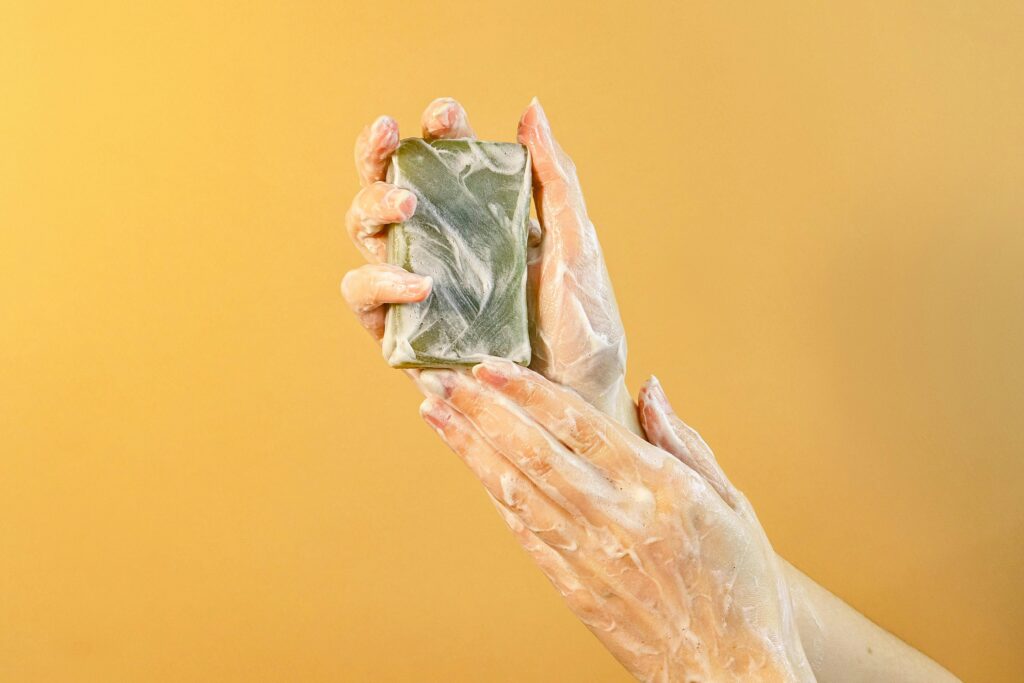
1. Non-soap Syndet (Synthetic Detergent) Cleansers
Syndets are gentle soaps that clean without stripping your natural oils, unlike traditional soaps.
Overall, this article will help you sort through all of the different product claims and hype so that you can better understand what actually works, what makes irritation worse and what is going to be recommended to you most frequently by dermatologists.
Why Syndet Bars Great For Eczema?
✔ Generally lower pH
✔ Less skin irritation
✔ Increase moisture(Content)
Individuals with eczema often find syndet bars to be far less irritating than standard bar soaps.
2. Colloidal Oatmeal Soaps
Colloidal oatmeal has ***anti-itch, anti-inflammatory, and barrier strengthening*** characteristics.
Colloidal oats provide:
1.) Relief from itch
2.) Decrease in redness
3.) Moisture retention (via help)
Colloidal Oats, like most of the ingredients listed here, have actual clinical evidence demonstrating their efficacy in the treatment of eczema.
3. Ceramide-Rich Soaps
Ceramides are lipids (fat) that are present in the skin and help provide the skin with a strong barrier to prevent the loss of internal fluids. Many people with eczema will have a deficiency of ceramide in their skin.
If you select a body soap (or wash) containing ceramides, they can help promote the long-term repair of the skin barrier.
Avoid these ingredients in your soap if you have eczema.
Common Irritants/Worseners Of Eczema:
❌ Fragrance
❌ Alcohol Denat.
❌ Harsh Detergents (SLS, SLES)
❌ Artificial Coloring Agents
❌ Strong Essential Oils (cinnamon, citrus)
Natural products can also irritate, so always do a test patch for any new product.
Ways To Use Soap To Avoid Making Eczema Worse:
Using soap incorrectly can negate its benefits:
✔ Don’t stay in the shower too long. (5-10 minutes is perfect.)
✔ Use lukewarm water, not hot.
✔ Pat your skin dry instead of rubbing it dry.
✔ Put on your moisturizer within 3 minutes of finishing with the soap.
✔ Only use soap where necessary (i.e., don’t over-lather)
Applying moisturizer immediately after you bathe is just as important as using soap.
Conclusion:
There is no one miracle product that works for everyone with eczema; however, some products will be beneficial while others will not. The key factors are gentleness, creating a barrier and avoiding irritants. If you have severe or recurring eczema, you should speak with a physician who can develop an individualized plan to manage your condition. Your choice of soap is only one component of your overall management plan.