

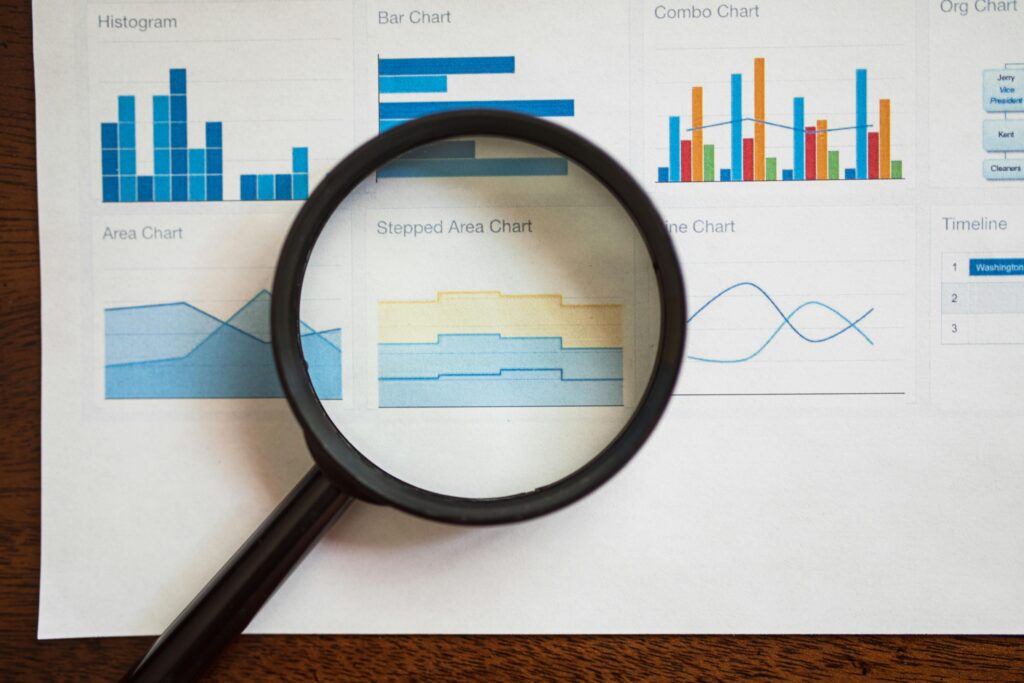
In today’s business environment, every company must analyze its data in order not only to improve performance but also to keep pace with competing companies that do so. Companies unable to utilize raw data for analysis will make decisions based on emotion, which typically results in slow decision-making processes, a lack of accurate forecasts and forecasts, and lower levels of competition.
Data Analysis is The Process of Analyzing Data (Collecting, Cleansing, Interpreting, Manipulating) And Generating Insights That Support Decision Making.
Successful Use of Data Analysis Will Reduce Risk; Increase Efficiency; And Ultimately Provide Companies With Valuable Ready Useable Information That May Have Been Overlooked By Competitors.
What is Data Analysis?
Through examining raw data and examining data sets, analysts understand trends and patterns within the data set as well as the sources of those patterns or trends.
Some examples of questions that can be answered through analysis of raw data include:
Why Are Our Sales Dropping?
Which Marketing Channel Actually Converts Sales?
Where Are We Losing Money?
Without analysis, the raw data is useless. The raw data becomes evidence when analyzed.

Types of Data Analysis
There Are Three Main Types Of Data Analysis. By Knowing The Types, You Can Avoid Misusing Them.
1) Descriptive Data Analysis
A description of what has occurred (i.e. Monthly Sales Report, Monthly Web Traffic Summary, Customer Demographics, etc.). Useful, But No Predictive Value
2) Diagnostic Data Analysis
(i.e. Identifying A Drop In Sales Trends From One Region Or A Product Category). Most companies get to this point and stop evaluating further – This Is A Huge Mistake.
3. Predictive analytics uses statistical models to predict future events based on historical data and is the best use of historical data. It includes demand forecasting and churn prediction, and the quality of the predictions will depend on the quality of the data used.
4. Prescriptive analytics gives recommendations on next steps based on analysis of the data, for example, optimal pricing or inventory levels. It typically uses more advanced tools than predictive analytics and is often available only to those companies that have reached a high level of maturity in their data practices.
Data Analysis Steps
Effective data analysis requires following a clear process, otherwise poor data analysis will lead to poor decision-making. The process will typically follow these six steps:
Collecting data from databases, surveys or API’s (application programming interfaces) or tools that track user behaviour. If the data being used to conduct the analysis is bad, the results will be bad.
Cleaning the data. Data can be duplicated, contain errors and have missing values, which all must be addressed in this step. This step typically isn’t as exciting as others, but it’s a vital part of the process to ensure accurate data.
Exploratory data analysis. This stage uses charts, summaries and descriptive statistics to gain an understanding of the data. Modeling and analysing the data. This stage applies statistical methods to the data or develops algorithms to evaluate the data.
Interpreting the data. Data is typically reported as numbers and must be translated into insights that can be understood and utilised in business decisions.
Making decisions based on the insight gained from the analysis of the data. Data analysis without acting on that analysis will have little value.
Tools Used to Conduct Data Analysis
There is a variety of tools that are frequently used for data analysis based on size of data and level of analysis required.
Excel: Excel continues to be used for smaller data sets and for quick analysis.
SQL: SQL (structured query language) is the industry standard for efficient querying of databases.
Python and R: Python and R are the tools of choice for conducting advanced data analysis and automating those analyses.
Power BI/Tableau: The industry standards for data visualisation and reporting.
Google. Analytics – Analyzing website and user activity.
Selecting tools without first understanding the specific problem you are trying to solve can lead to frequent, costly mistakes.
Why Data Analytics Is Important to The Business World
The Benefits of Data Analytics to a Business:
– More Accurate Decisions: There is Less Guessing and More Evidence.
– Easier to Control Costs: You Can Identify Waste or Inefficiencies in your Processes.
– Understanding of Customers: You Will Understand the Customer’s True Behavior Rather than What you Assume about Them.
– Competitive Advantage: By Gaining Insight Quickly From Data You Can Take Action Faster Than Competitors.
Data Analytics does not solve a Poor Strategy or Bad Leadership, It Only Exposes the Truth About an Organizations Reality Which Sometimes Isn’t Pleasant For Managers to Hear.
Data Analysis Pitfalls
Be Wary of The Following Risks Associated with Data Analysis:
– Working with Incomplete/ Biased Data Sets
– Confusing Correlation to Causation
– Creating Overly Complex Models That Have No Business Value
– Ignoring Business Domain Specific Knowledge
– More Data does not Guarantee Decisive Action or Effective Decision Making
Essential Data Analysis Skills
While Tools Change Over Time, The Skills of The Analyst Will Remain Constant. If A Person Claims to be a Data Analyst And Does Not Possess The Following Skills, Then Their Skills Are Inadequate:
Critical Thinking – Determine the questions that matter and the questions that do not matter
Statistical Literacy – Understanding what results mean, rather than just performing complicated math.
Data Storytelling – If you cannot explain insights clearly, they will not be used.
Business Context – Analysis done without relevant industry knowledge can lead to false conclusions.
Attention to Detail – Minor errors in data can result in major failures in decisions.
Many analysts are too focused on tools and not enough focused on thoughts; this is a liability.
Data analysis is different from data science.
Two terms are frequently used interchangeably; however, they are very different.
Data analysis focuses on understanding historical or current data to help make decisions.
Data science focuses on building models and automation, as well as making accurate predictions using large amounts of data.
Most companies do not require full data science teams; they need data analysis.
Hiring data scientists without clean data to work with is inefficient.
Examples of When Data Analysis is Valuable
Examples include:
Marketing
Identifying which type of marketing campaigns generate income (not just clicks). Data analysis can quickly show you which metrics are irrelevant.
Medicine
Data analysis can produce better results for patients and decrease the errors that can occur; faulty analysis could lead to risks to human life rather than just financial loss.
What we call “Finance” is really “finding fraud,” “managing risk,” and “forecasting cash flow.” Making decisions without having the necessary information is like playing Russian roulette with your money.
In Operations, we have “optimizing our supply chain,” “reducing wasted time,” and “reducing our costs.” This is where an analysis will pay for itself many times over.
SEO and Digital Growth through Analysis

In digital business, SEO and the Development of a Content Strategy are based on Data Analysis, to do this we:
1. Find High-Rate Conversion Keywords
2. Observe User Behaviour and Where They Drop Off.
3. Assess Content Results Beyond Just Traffic.
4. Optimise Pages Based on Evidence Rather Than Trends.
5. Publishing Content Without Assessing Result is No Longer a Strategy but Guessing.
Challenges with Data Analysis
Let’s be honest about why many organizations don’t use data analytics:
1. Lack of Data Integrity.
2. Lack of Support for Data Analytics at Executive Level.
3. Misinterpretation of Results.
4. Overreliance on Dashboards but Not Taking Action.
5. A Dashboard Only Has Value When You Take Action Based on It.
Conclusion
Data Analysis is Not Just a Trend, it is a Method of Discipline. It will Reveal the Realities and Expose Flawed Assumptions. That’s Why Many Organizations Avoid It.Final Thought
Data Analysis should be considered a Practical Skill Not as a Trend or Catch Phrase. Companies Who Take it Seriously Gain Clear, Faster Actions Based on Confidence Whereas Companies Who Do Not Rely on Guessing. The Difference in Results Can Be Seen.