

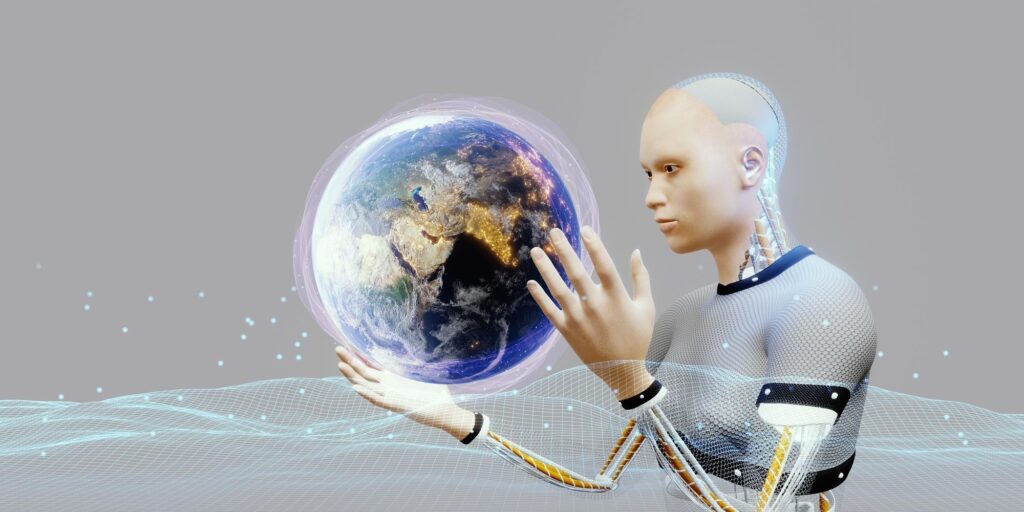
Technology has become a major driver of global society by dictating how residents of the planet will communicate, work and engage with one another. The newest technologies, such as smartphones, artificial intelligence, e-commerce and digital banking, are not only changing our daily lives but also they are changing entire economies. By understanding the influence that technology has on global society and the economy, individuals, corporations and governments can be better positioned to remain competitive in this continuously changing environment.
Technology’s Role in Society
Technological advances have completely revolutionized our means of communication, learning, medical care and social interaction over the past 20 years. Because of the introduction of the Internet and mobile devices, there are billions of people around the world with access to an unlimited supply of information in the palm of their hands. All people have ways to connect with one another in real-time thanks to social media platforms and to conduct business remotely, and also have ways to access educational materials from virtually any location.
The most significant social impact of technology by far has been improved access to information. Knowledge is being democratized because we now have access to search engines, online courses and digital libraries, thereby allowing individuals in developing countries to learn new skills and improve their quality of life.
On the other hand, rapid technological transformation also brings new challenges.Many people have recently experienced a variety of challenges including digital addiction, misinformation, privacy concerns, etc. While social media is certainly powerful, it also has had an adverse impact on mental illness and social polarization for different groups of people.
Technological Changes and Economic Advancement
Whether globally or locally, technology is an integral part of driving global economic advancement. Such changes include automation, cloud computing, and AI, etc., leading to much higher productivity and efficiencies in various industries. Technology has enabled organizations to operate at much quicker speeds, reduce risks associated with international transactions, and grow at a global scale with little physical infrastructure.
In addition to driving economic advancement, e-commerce platforms have shifted the paradigm from traditional commerce to international commerce. Companies can sell to global markets without any physical presence, allowing small businesses (especially in developing countries) to begin competing with larger employers on the global stage.
In addition to international commerce, the growth of digital facilitated payments and financial technology solutions has created greater opportunities for individuals who previously did not have access to traditional banks. Therefore, many individuals who previously had no access to traditional banks now have some means of sending, receiving, and/or managing their money via mobile applications.
New jobs vs. displacing jobs
About the only thing more controversial than what has occurred with the growth of technology is what will continue to happen with jobs as a consequence of technology. Jobs related to software design, digital marketing, cybersecurity, and big data have been significantly boosted as a result of new technologies coming into existence. Most of these types of positions pay more money and provide individuals with opportunities globally.Conversely, automation and AI technologies are taking the place of traditional jobs in sectors like manufacturing and retail, as well as administrative roles. Machines and algorithms can carry out repetitive tasks more efficiently than live humans; therefore this has resulted in significant layoffs due to this automation trend.
With the changes in technology have come new skills that employees will need to gain through upskilling or reskilling. Meeting demand for upskilling or reskilling has become critical in the current workforce and much more so now than ever before.
Digital Transformation and Globalization
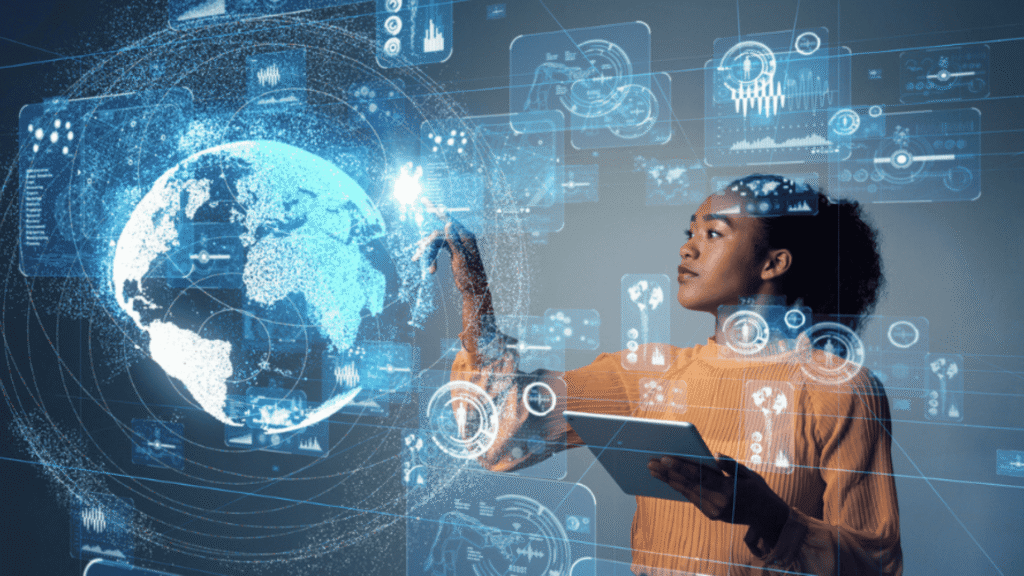
Technology is driving globalisation by eliminating geographical boundaries. Businesses can now work in real-time on projects with people located all over the globe, outsource work, and manage people in almost any part of the world. The result of this is growing numbers of remote work/jobs or an increase in individuals who identify as digital nomads.
The interconnectivity of the global economy has never been more apparent, with global markets being strongly influenced by technology – i.e. A new development in AI technology or the introduction of blockchain will likely have a global impact on several different types of industries across numerous geographical locations (finance, health care, logistics, etc.).
While interconnectivity has created many opportunities, it has also increased exposure to risk, such as loss of cyber security, data breaches, or failures of international supply chains, etc.
The Growth of the Digital Economy
The digital economy is amongst the quickest expanding industries on the globe today and consists of all types of online transactions from internet businesses to digital services to technology-based industries. A few of the companies that fall under this category are those offering streaming services, websites for buying and selling goods, and software vendors, many of which are bringing in billions of dollars in sales.
There are greatly increased opportunities for startups and entrepreneurs to take advantage of this transition. Because of the relatively low startup costs required to begin an internet business or provide digital content or offer freelance services to a worldwide audience, people are able to reach the market quickly and easily.
Additionally, cryptocurrencies and blockchain are changing the way we do business. Although still being developed, cryptocurrencies, through the use of blockchain technology, have the potential to alter the financial system as we know it while also potentially creating entirely new types of economies.
Technological Advancement Challenges and Concerns
The rapid advancement of technology can pose very serious problems for society. One of these problems is the digital divide – the difference in access to technology. The existence of the digital divide creates the potential for widening gaps in the economy between the developed and developing world.
Concerns about cybersecurity are on the rise as well. As more data is placed into the Cloud, there will be additional risks for hackers, identity thieves, and the growth of other types of cybercrime. Businesses and governments will need to invest heavily into safeguards to secure the growing amounts of data being stored electronically.
Environmental concerns are also an important part of this growing concern. The production and disposal of electronic devices have created an enormous amount of waste and pollution that impact our planet.
The Future: Impact of Technology on Entry Channel

The Effect of Technology on Society and the Global Economy, In Summary
It is obvious that the effect of technology on society and the global economy has been profound. Technology has changed the way people live, work and interact with each other with significant positive contribution to global economic growth and innovation. There are however many issues that arise due to the use of technology and need to be addressed in order to pave the way for all of us to have an equitable and sustainable future.
For individuals to take full advantage of this digital age they need to become adapted to their new environment. If businesses are to thrive, they need to innovate continuously and create new opportunities for their customers. Governments need to create new policies that support both the advancement of technology and do so in a manner that protects society. Technology serves not only as a means of accomplishing tasks but has also become an influential driving force in determining what will be the future of humankind.