


Due to the rapidly changing conditions of technology, policy, and current learning theories, education students should carefully consider what research topics they will pursue because those topics can directly impact their career trajectory, future job options, and credentials. If students create a solid research topic, they will establish an appropriate and reliable base for future research and thus a truly credible WiFi Based Research Study (CWiR) that they can use to demonstrate their application of the methodology they learned from researching current problems in education.
Here are ten of the most popular research areas in 2026 or later for students to explore.
The Role of Artificial Intelligence in the Learning Process
AI is one of the most rapidly expanding areas of educational technology being used in schools around the globe. With the completion of their research, students will have the ability to study and evaluate how AI tools have affected student success, individualized learning experiences, and shifts in the way teachers have been held accountable. As such, a significant consideration for future researchers will be to examine if the introduction of AI technology has helped or hindered equity in education, since numerous article reports and studies are being published on this issue today.
1. Sample Research Questions:
– What type of correlation is there (positive or negative) between student use of AI technology and student success?
– Do teachers believe that AI technology allows them to increase their productivity when teaching in classroom settings?
How Well do Online vs Traditional Classrooms Work?
As a result of recent changes to the world of education as a result of the COVID-19 pandemic, research studies regarding the success of online versus traditional learning environments will continue to emerge. Education students will be able to examine student engagement, retention rates, and academic success for students learning online compared to traditional in-person educational experiences.
Areas of Focus:
– Motivation for students in an online learning environment
– Comparing the learning outcomes from hybrid versus in-person or traditional classroom environments.
3. Mental Health and Academic Success
Student mental health has emerged as an important issue in today’s education systems. As such, discovering whether things like counseling services, stress management programs, or the school’s overall climate have a positive impact on student academic performance has both social and educational significance.

Research questions:
Does anxiety affect academic achievement?
Do school-based mental health programs affect a student’s academic success?
Are teachers aware of their students’ mental wellbeing?
4. Technology and Education for K-12 Students
Many institutions of learning spend considerable resources on education technology. However, outcomes regarding the effect on learning differ from school to school; therefore, students can question whether the use of technology, such as tablets or smartboards in the classroom, is improving learning or simply distracting from it.
Example research questions:
Is technology in the K-12 classroom improving student engagement level?
Are there disadvantages to technology-based learning tools?
5. Impact of Teacher Professional Development on Student Success
The quality of the teacher is one of the most significant factors for student achievement; therefore, the role of ongoing teacher professional development on classroom performance and student achievement is an appropriate area of study.
Research options:
Comparison of teachers receiving ongoing professional development versus those not receiving continuing education.
Workshop attendance and certification enhancing classroom performance.
Challenges teachers face to access professional development opportunities.
Parental Involvement Concordance with Student Development
Parental involvement shows consistent improvement in the academic outcomes of children, with the types and levels of involvement influencing this impact. This area of study allows students to investigate the cultural, social, and communication characteristics associated with parental involvement.
Research Questions:
Which methods of parental involvement produce the greatest effect?
Does too much involvement result in pressure to succeed?
Gamification of the Educational Process – Is It Effective?
Gamification, the application of gaming elements in the educational process, continues to grow in popularity. Research will determine if points, badges, and leaderboards truly create a positive impact on student motivation and retention of knowledge or simply create a positive “buzz” in the short-term.
Research Areas of Focus:
Motivation versus Deep Learning
Variances Among Ages and Gamification
Long-Term Effectiveness
9. The Global Digital Divide and the Educational Gap
Globally, access to technology varies. This paper looks specifically at discrepancies in access (internet, devices, and/or digital skills), and how these factors relate to student behavior and performance across multiple environments.
Major Research Areas:
Differences in access between rural and urban communities
Socio-economic status
Policy changes that would resolve these discrepancies
Selecting a Research Topic
Not all trending research topics are appropriate for your situation. To develop the best research topic, consider the following criteria:
Related to current challenges in education
Has enough research data available
Clearly answers your identified question
Interesting enough to sustain you over time
Make sure your scope is not too broad, outdated, and/or unmeasurable. Thus, if you narrow your focus as soon as possible, you will save yourself both time and effort when it comes to the quality of your research.

Final Thoughts
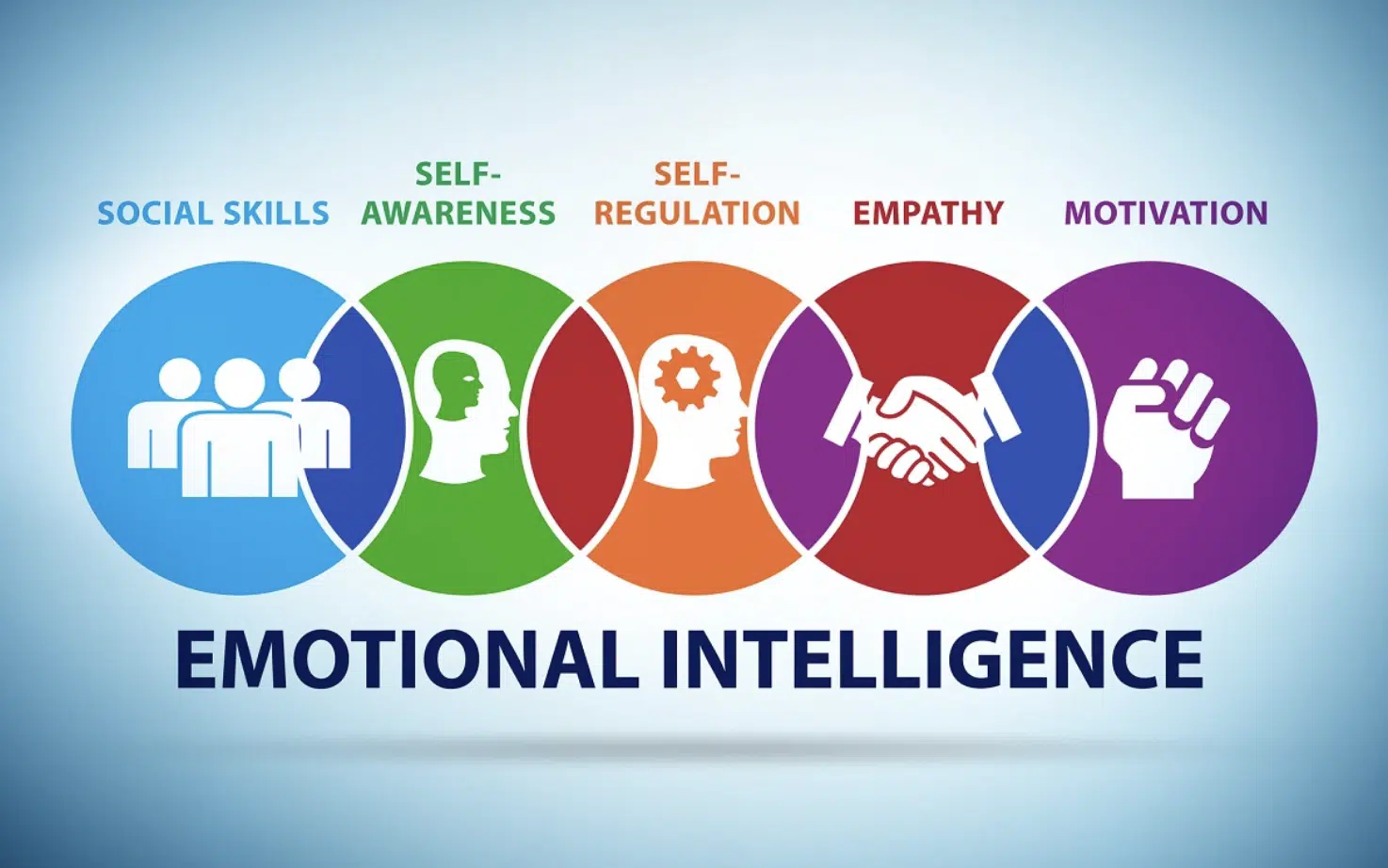
Research on education is evolving rapidly in response to emerging trends such as artificial intelligence, digital education, TikTok awareness, and mental health issues, to name just a few. The information provided in this paper can be regarded as timely, useful, and academically valid. The best option for you is to pick a single area, narrow it to a defined research question, and obtain valid supporting information.
10. Assessment Methods: Traditional Tests vs. Ongoing Assessment
Recently, there has been increased scrutiny surrounding the use of traditional test methods within education. Students may be able to assess whether ongoing assessment, project based assessment, or performance assessment are valid measures of academic achievement.
Possible Perspectives:
Anxiety vs. Performance on Assessments (for example; high-stakes)
Reliability of Assessment (validity/reliability)