


Emotional intelligence has emerged as among the top essential skills for success in both our professional and personal lives. Even though technical abilities and intelligence quotient will always be important, studies have consistently demonstrated that those individuals who can identify and regulate their own, as well as others’, emotions to build relationships, provide effective leadership, and handle stress are generally better equipped than those lacking such emotional intelligence.
Identifying each element of Emotional Intelligence can help you enhance communication, increase decision-making capabilities, and improve your emotional well-being overall.
What is Emotional Intelligence?
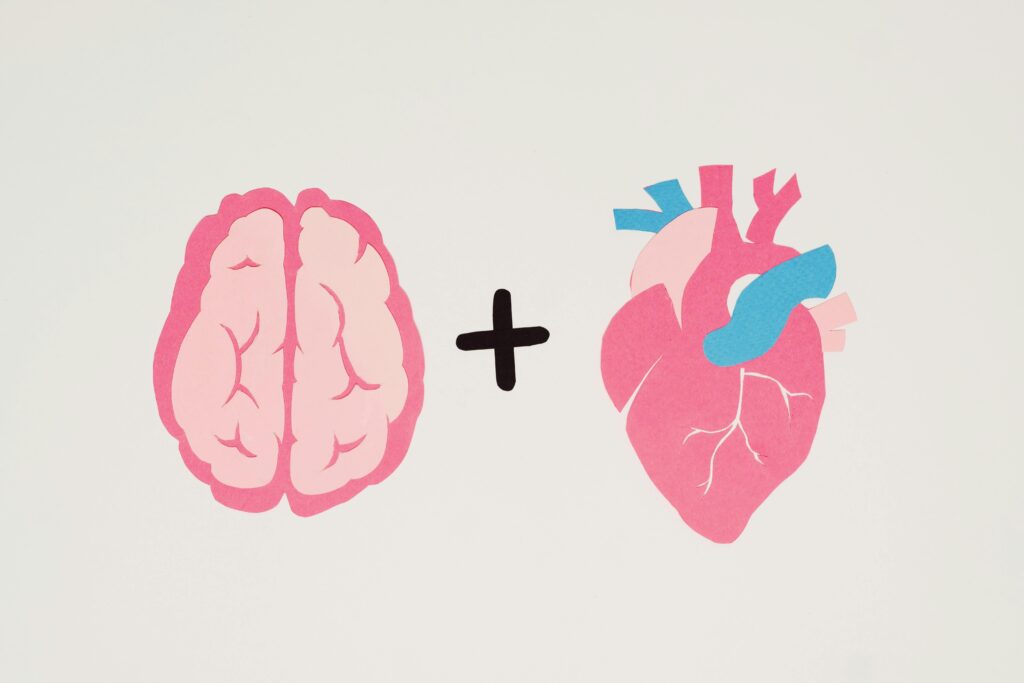
Emotional Intelligence (also known as EQ or EI) refers to an individual’s ability to identify their own emotions; identify their own emotional triggers; regulate their own feelings (and the feelings of others); and ultimately help others manage their emotions, through their actions. Daniel Goleman, PhD, was the first to develop the foundational theory of emotional intelligence through his book, Emotional Intelligence, published in 1995. In his model, Dr. Goleman outlines five components of emotional intelligence and we’ll explore those components one by one below.
Self Awareness
Self-awareness is the first component of Emotional Intelligence. To understand this component of Emotional Intelligence, we need to define self-awareness: A person who is self-aware recognizes what they are feeling, and how those feelings may be affecting their thoughts, decisions, behaviours etc. People who are self-aware have the ability to identify their emotions in real-time and differentiate between the emotions they are experiencing. In addition, it enables strong self-awareness.
1. People who have strong self-awareness:
Self-awareness Is a key element of Emotional Intelligence. Without self-awareness it is difficult to master your emotional state. If you cannot identify what you are feeling; you will be unable to appropriately manage it.
To improve your emotional self-awareness:
You can reflect daily, keep a journal or practice pausing to consider your response before reacting to an emotional situation.
2. Self-Regulation – The ability to manage your emotions in a healthy manner and resist impulsive behaviours and reactions to those emotions. Self-regulation does not mean that you deny your emotions; rather, it means you respond to those emotions with thought rather than reacting to those emotions without thought.
Examples of people with high self-regulation:
Remain calm during stressful situations
Think before they speak
Find constructive ways to manage their anger/frustration
If you have a lack of self-regulation it is likely that your relationships will suffer and be affected by your poor decision-making.
To improve your self-regulation:
Practice breathing techniques; delay your response to feelings; Develop stress-management techniques such as exercising or using mindfulness.
3. Motivation – Motivation in Emotional Intelligence is defined as an individual’s internal drive. It is the individual’s desire to continue to strive toward an objective regardless of receiving an external realisation, such as pay or prestige.
Emotionally Intelligent People:
Set Goals that have significance to them
When faced with set-backs they maintain their commitment to their goal
Maintain a positive perspective
This motivational component significantly improves work and/or school performance, as well as individual personal development.
-Can Identify Emotional Triggers
-Recognize Strengths and Weaknesses
-Accept Constructive Feedback
To Enhance:
Define whether you are achieving your objectives and whether you are achieving your end game.
4. Empathy
Understanding and sharing the feelings of those around us is what defines Empathy. Empathy is essential for leadership, teamwork, and positive interpersonal relationships.
Aspects of Empathy:
Being Present (Listening with an open mind)
Recognizing Emotional Signaling
Understanding Others’ Points of View
Without Empathy, Communications Break Down; with Empathy, Trust Builds.
To Enhance:
Practice Active Listening (Focus on understanding before responding), refrain from interrupting others when they speak.
5. Social Skills
Social Skills include all elements of Emotional Intelligence and how we interact in the Real World (Communication Skills, Conflict Resolution, Collaboration, and Leadership).
Social Skills are made up of some of the following:
Effective Communication
Healthy Resolution of Conflict
Developing Strong Relationships with Others
Inspiring or Motivating Others
Individuals with High Emotional Intelligence tend to be very successful in leadership positions because they build positive connections with those around them.
To Enhance: Work on improving communication clarity and utilization of body language; work on your conflict resolution strategies.

Benefits of the 5 Keys of Emotional Intelligence
The five keys to emotional intelligence aren’t just theory. High levels of emotional intelligence can be beneficial in many areas, including:
Effective leadership
Strong relationships
Reduced stress
Increased satisfaction at work
Better mental health
Unlike IQ, which can’t be changed, you can develop your emotional intelligence over time. Emotional intelligence provides you with powerful tools for continued personal success.

Final Thoughts
Here are the five keys of emotional intelligence:

Self-Awareness
Self-Regulation
Motivation
Empathy
Social Skills
It will take time and dedicated effort to master these five keys. However, once you have the mastered the five keys you will have stronger relationships, make better decisions, and have more harmony in your life.