

The Importance of Physical Activity for Resilience in Peace Professionals
Peace professionals including mediators, humanitarian workers, diplomats, and conflict resolution professionals typically operate in highly stressful, emotionally, mentally and physically demanding environments. For this reason fitness is often thought about in terms of beauty or athletic ability, rather than as an imperative to be resilient, stable, and effective over time.
Peace professionals who are unable to manage their physical or mental fitness are ultimately setting themselves up for burnout, emotional exhaustion, and poor judgment. This article discusses the importance of fitness and how peace professionals can use fitness as a tool to enhance their effectiveness in the field.
How Fitness Impacts the Work of Peacebuilders
Peace professionals regularly experience chronic levels of stress from being exposed to traumatic events, working long hours, navigating cultural tensions, and negotiating with varying degrees of success. Numerous studies indicate that engaging in physical fitness decreases the levels of cortisol (stress hormone), improves cognitive functioning, and increases the ability to regulate emotions.
In the peace professional’s responsibilities, each of these findings has direct applications:
The ability to effectively de-escalate conflict;
Improved patience and emotional regulation;
Improved judgment under pressure;
The ongoing ability to withstand the psychological trauma of Using Physical Fitness To Build Mental Resilience
It is common knowledge that physical fitness builds physical strength, but physical training also has a positive effect on the development of other brain functions necessary for optimal mental health, such as neuroplasticity, quality of sleep, and mood regulation. These improved brain functions are essential to the work of peace professionals.
A “fitness routine” does not have to be extreme to be effective. The focus should be on consistency rather than intensity in designing an effective fitness routine. Some examples of a
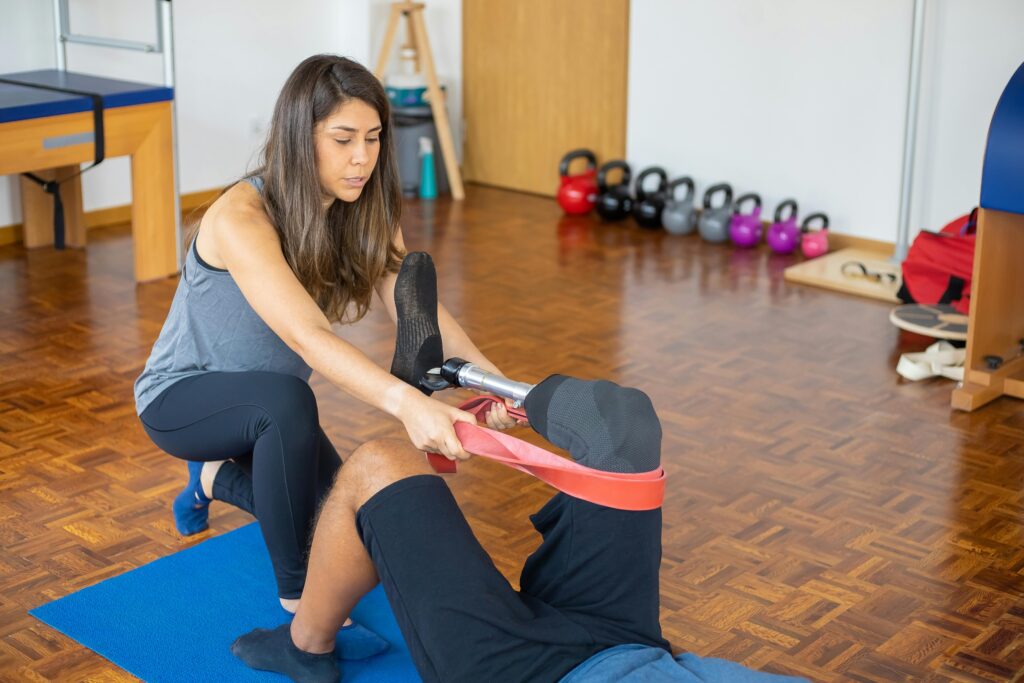
practical fitness routine for peace professionals may include:
moderate forms of exercise 3-5 times a week for 30-45 minutes
strength training, which helps develop physical confidence and optimal posture
cardiovascular training, which will allow for enhanced stamina and increase tolerance to the effects of stress.
To develop the desirable, focused mental state of a mediation or peace negotiation, a physically fit body enables the maintenance of greater emotional resilience.
Mental Fitness Can Not Be Ignored
In addition to the importance of a physical fitness practice, peace professionals must also have a practice of mental fitness. Without proper attention to mental health, exposure to conflict and the suffering of others has the potential to erode one’s ability to feel empathy and have mental clarity over time.
Mental fitness exercises for peace professionals may include:
mindfulness or breathing exercises, which improve emotional regulation
brief daily reflections to process through one’s experience
deliberate structures for periods of rest and recovery to help prevent mental fatigue.
It is important to identify that mental fitness is not an indication of weakness or a therapeutic strategy. Mental fitness will prevent breakdown from occurring before it happens, similar to how an effective physical training program will prevent injury and strengthen an athlete physically.being a peacebuilder over time.
Overall, the lack of focus on physical fitness does not mean that an individual is committed to peacebuilding; rather it indicates that that individual is becoming less and less effective as a result of a lack of physical fitness.
The safety, dignity, and results that result from the work of professionals providing peace are dependent upon their Long-Term Effects of Physical Fitness on Peace Work
Professionally active individuals who utilize physical fitness as a foundation for their professions experience the following benefits:
• A Longer Career Expectancy
• A Lower Rate of Burnout
• An Increase in Emotional Intelligence
• An Increase in Leadership Presence
Peace Work is a long-term undertaking. Without physical fitness, even the best peace professionals will experience decreased effectiveness at one point or another.
In conclusion, the focus of Fitness for Professionals in Peace Work is not just a trendy thing; rather, it is about surviving and contributing. Through physical and emotional wellness, the professional may develop the ability to remain resilient through practicing ethical behaviour, making ethical decisions, and maintaining emotional balance in situations where the consequence of failure is severe.
Peace continues to be built by individuals. If people are physically, emotionally, and psychologically drained; then this will impact negatively on the overall success of the peace-building efforts. By investing in Fitness, you are in fact investing in Peace!employees. Individuals who have poor mental or physical well being may be more likely to have:
Intense emotional responses; and
Biased judgments; and
Limited ability to hear; and
Stress-induced ethical errors;
This indicates that maintaining one’s health is a professional duty, not merely a hobby. When you’re able to maintain your body’s optimal health and well being through regular exercise, you have a greater level of clarity when faced with ethical dilemmas.
How to Incorporate Fitness into a Busy Lifestyle
People working in the field, providing humanitarian aid, or performing other sorts of work in areas of difficulty are often faced with time constraints. Time limitations, however, are not the main impediment to fitness in the professional world; instead, the lack of structure is the larger barrier.
Flexibility on the Road
There are many ways to work fitness into your busy lifestyle.
1. Short, easy-to-do exercises during travel
2. Take a “walking meeting” or break to do something active.
3. Use simple movements in any location.