


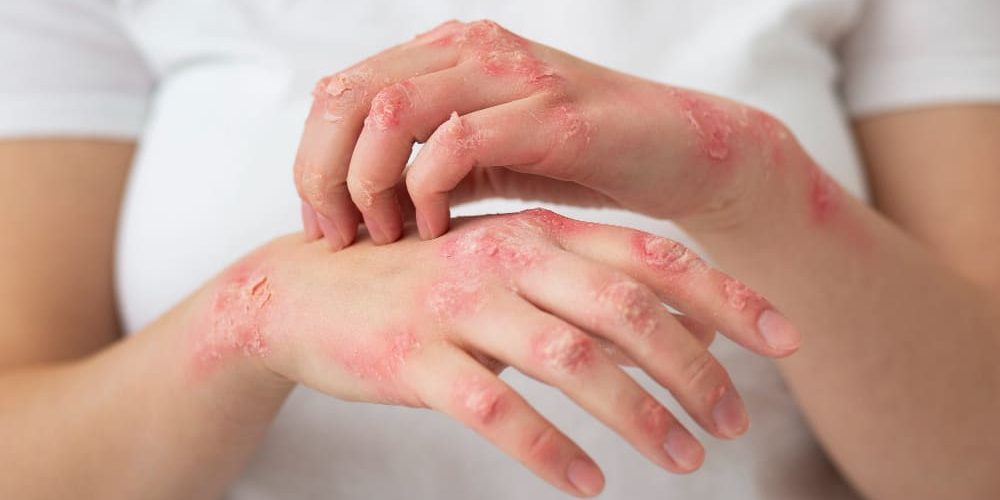
Most people do not realize just how prevalent skin allergies actually are; nor do they understand how easily an allergy can affect an otherwise everyday activity — such as washing one’s hands or taking a shower.
If you regularly experience itching, redness, dryness, or irritation, after using soap, chances are very good that the soap itself is causing these problems and, therefore, you should seriously consider switching to another kind of soap.
When deciding what type of soap will work best for you, not only do you want to find a soap that will help keep you clean but you also want to find a soap that will help keep your skin protected and prevent any additional injury caused by using the wrong type of soap.
This article will provide you with information regarding the best soap for skin allergies; specific ingredients to avoid; and how to select a suitable soap that will be safe and effective for those with sensitive skin.
What Triggers Skin Allergies from Soap?
Most commercially made soaps are created using strong chemical compounds (ingredients); therefore, there are usually some ingredient(s) in the soap itself that can irritate your skin. In some cases, while certain compounds in soap can be beneficial for cleaning off dirt and oils on your skin, they are also capable of stripping off your skin’s natural protective barrier. Once your skin’s natural protective barrier has been damaged, your skin becomes increasingly sensitive and susceptible to allergies.
Chemical agents that are typically found in soap products and usually trigger skin allergies include synthetic fragrances, sulfates such as sodium lauryl sulfate (sls), parabens, artificial colorings, and any type of alcohol-based ingredients. All these chemicals have the potential to dry out your skin and consequently create an allergic reaction(s).
What Are the Best Soaps for People with Allergic Skin?
Having sensitive and/or allergic-prone skin requires the use of gentle and specifically formulated products. Check out the following types of soap for consideration.
1. Fragrance-Free Soap
One major source of skin irritation is fragrance; even when labeled as natural fragrance, these may still result in a reaction. Choosing unscented or fragrance-free soaps will help eliminate the risk of developing an allergy by using one of the safest options available for daily use.
2. Hypoallergenic Soap
Hypoallergenic soaps are formulated for use by people with sensitive skin. They tend to be lower in irritants and designed to test for reducing an allergic reaction. Hypoallergenic soaps are best for those who often find themselves itching or red after washing.
3. Moisturizing Soap
Allergy symptoms can worsen when the skin is dry. Therefore, choosing a soap that adds moisture to the skin is key. Moisturizing soaps are typically comprised of glycerin, Shea butter, aloe Vera, or typical oils which help retain moisture, reduce irritation, and aid in the overall healing of skin.
4. Medicinal Soap
Selecting a suitable soap when you have skin allergies can be difficult. Below are some helpful tips on how to select the best soap for your skin allergies:
1. To help ensure that you make a good purchase decision, ensure that you read the product ingredients label prior to purchasing the soap.
2. Select products that have a simple and minimal ingredient list.
3. Prior to applying the soap to all of your skin, apply it to a small area of your skin to help determine if it is safe (patch testing).
4. Avoid switching between too many products at once.
5. Instead of using hot water, use only lukewarm water.
By following these guidelines, you can help to minimize irritation and find the best soap to use with your skin.
Characteristics of the Best Soap for Skin Allergies
The best soap for an individual suffering from skin allergies should have the following characteristics:
1. pH-balanced (to match the pH of your skin).
2. Free of irritants and harsh chemicals.
3. Dermatologist-tested.
4. Moisturizing and soothing ingredients.
Using a product that has these characteristics will provide more protection and less harm to your skin.
Mistakes to Avoid
A number of people make their skin allergies worse without even realizing it. Examples of the most frequent mistakes include: using soaps that smell really strong; using too much force while scrubbing your skin; washing your skin too often; and not reading the ingredients label. All of these behaviors can cause the skin to become damaged and sensitized as time passes.
If your skin allergy is more severe (eczema or dermatitis), medicinal soap may be beneficial. Medicinal soaps typically contain active ingredients such as colloidal oatmeal and/or zinc that help reduce itchiness and calm inflamed skin; however, they should be used cautiously and ideally under the advice of a doctor.
5. Natural/Organic Soap
Natural soap may be a valid alternative (especially those containing ingredients like olive/coconut oils or oatmeal) but bear in mind that not all natural soaps are safe because some contain essential oils that can irritate sensitive skin; therefore, always read the label before using.
Which Ingredients To Avoid
To help prevent irritation to your skin, avoid soaps that contain:
Sodium Lauryl Sulfate
Synthetic Fragrance
Parabens
Alcohol
Artificial Colors
All of these ingredients may compromise the integrity of your skin barrier and/or increase your likelihood of an allergic reaction (especially if your skin is sensitive).

Conclusion
The ideal type of soap for allergies is a soap that is gentle, unscented, hypoallergenic, and contains moisturizers. More than likely, there isn’t a universal solution that fits everyone, but avoiding harsh chemicals and selecting gentle formulations will help improve the overall condition of your skin.
If you still have symptoms or they get worse, you should contact a dermatologist for assistance in identifying the exact cause of your allergy, and to get the proper assistance in selecting the right treatment option.